Should I Hire a Property Manager or Manage It Myself?
Difference Between Self Property Management and Property Management
There are two main options to consider for managing your rental property — managing your own property vs. hiring a property manager. Choosing one of these options determines how the daily operations of your rental properties are run. What do these daily operations include?
Let's take a look at the tasks managing a rental property entails:
- Advertising your property
- Determining rental rates
- Preparing the lease
- Tenant screening
- Collecting rent
- Doing preventative maintenance
- Making repairs as needed
- Fielding complaints
- Moderating issues between tenants
- Checking in with tenants at least once a quarter
- Enforcing the lease
- Evicting a tenant when necessary
- Finding new tenants when vacancies occur
With a list that long, deciding who will take care of these responsibilities is an important decision. Self management may save you money, but property management will save you time and effort, ensuring things get taken care of quickly and professionally. Let's look at each of these property management options in greater detail so you can make an informed decision.
Table of Contents
Advantages of Effective Property Management
Whether you like to handle things on your own or outsource services from a company, effective property management allows you to:
- Enhance Safety: Mitigate potential risks to keep your building and its occupants as safe as possible.
- Follow Compliance: Ensure you follow compliance to keep your operations running and avoid fees.
- Protect Your Building: Maintain your investment's structural integrity, appearance and value.
- Communicate Effectively: Set clear expectations and provide relevant updates as needed.
- Safeguard Your Reputation: Maintain high standards and encourage positive reviews.
What Is Self Property Management?
If you choose to manage a property yourself, you'll need to keep your daily operations running smoothly. Some responsibilities of property owners and managers may include:
- Marketing
- Screening tenants
- Communicating with residents
- Hosting community events
- Addressing issues
- Collecting rent
- Handling maintenance
- Staying up to date with requirements and standards
Running your rental property management well requires some time and expertise. If you're debating whether or not you should manage a property, take a look at the pros and cons of self managemen
Pros of Self Managing Rental Property
The advantages of managing a property include:
- Greater Control: Self management requires controlling the daily operations and making decisions. If you'd like someone else to handle task delegation, you may benefit from hiring a professional property management company instead.
- Closer Relationships With Tenants: You will need to communicate effectively with tenants through in-person conversations, emails, texts, phone calls or online platforms. While being the main point of communication can build closer relationships with your tenants, you'll also have to resolve issues.
- Gained Experience: You will learn a lot about property management by doing it yourself, which some landlords may consider an advantage if they want to eventually focus more on management in their real estate career rather than ownership. Expect to experience some hiccups along the way, though.
- Financial Savings: One other advantage that is the determining factor in some property owners' decision to self manage is that it can save you money. Typically, if you have a property management company, about eight to 10 percent of your rental income goes to pay for their services.
Cons of Self Managed Property
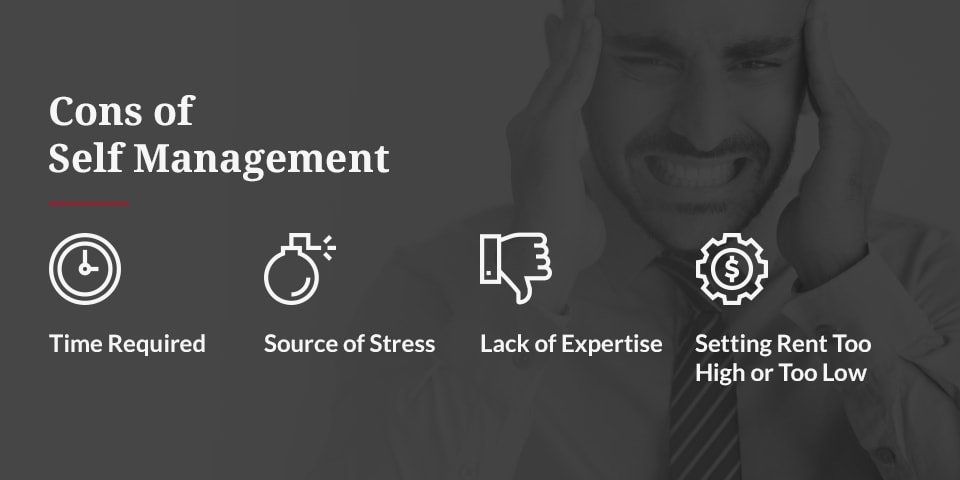
Here are some disadvantages of managing your rental property:
- Time Required: If that list of responsibilities provided above looks long, that's because it is. And that is just for one property. If you have multiple properties, then your duties will multiply. The time it takes to take care of all these responsibilities can be significant, and it could certainly keep you from pursuing other business ventures.
- Source of Stress: You may also cause yourself a lot of stress by taking on some of these responsibilities. If a tenant has a burst pipe at 2 a.m., you'll be the one taking that call and figuring out how to get it taken care of as soon as possible. If a tenant is not complying with a policy, you'll be the one confronting them with the policies agreed upon in their lease and taking any necessary follow-up actions, including eviction.
- Lack of Expertise: When you begin your landlord journey, you may have questions about best management practices or wonder how to handle issues with legal regulations. Effective property management requires experience and expertise, which you will have to develop with resources and practice over time.
- Setting Rent Too High or Too Low: If you do not enlist the assistance of a professional, you may find you have not set the rent at the right level for your area, which means you will either miss out on potential income or miss out on renters. A property management service knows local rent levels for other places nearby and can aid you in finding the right figure to charge based on your location and amenities.
What Is Property Management?
Property management means someone else runs a property you own for you, handling the day-to-day tasks big and small that keep your investment prospering. If you go the property management route, you pass on that long list of duties above for another party to handle. You don't necessarily have to leave yourself out of the equation entirely if you want to have some control over decisions, but for the most part, you can step back and let the property management group you partner with handle everything from advertising a property to collecting rent to handling any issues that come up.
There are some potential advantages and disadvantages to choosing to use a property management company vs doing it yourself. Let's look at the pros and cons of property managers.
Pros of Property Management
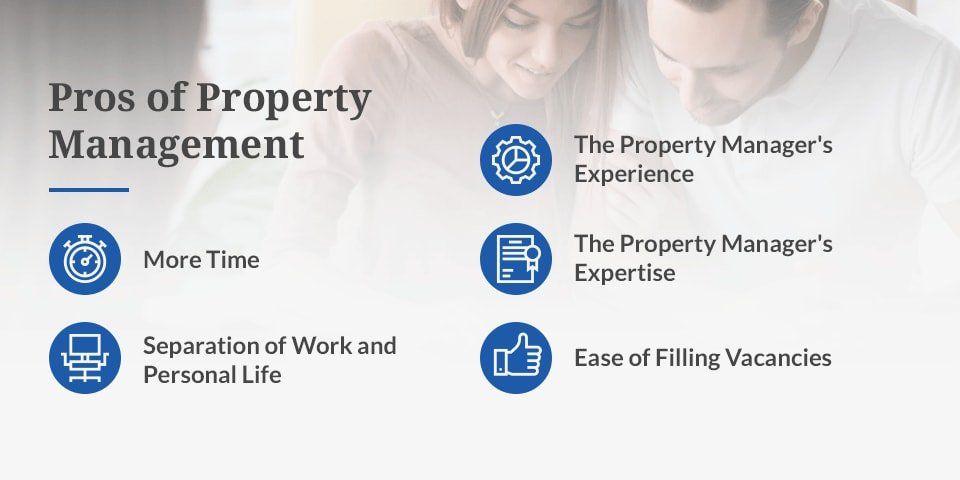
There are some important reasons to choose property management over self management, including:
- More Time: Probably the biggest advantage of using a property manager is that it will save you time — in some cases, a great deal of time. Remember that long list of responsibilities? They're now off your shoulders. Any time you don't have to spend on managing a property can be spent on other pursuits, like searching for other properties you want to invest in or seeking out other business opportunities.
- Separation of Work and Personal Life: It's not just that you save time but also that you can more effectively separate your work from your personal life. Knowing you won't have to answer a phone call and head out to a property during the weekend means you can spend time doing what you enjoy or being with your family or friends. It also means you can travel without worrying about being gone.
- The Property Manager's Experience: A big advantage you gain with a property manager is all their valuable knowledge gained over years of managing properties. Property management groups typically have a lot of experience dealing with the issues you would have to learn on the fly. Where you may experience a real headache trying to deal with a problem, your property manager will likely know the best way to handle it based on past experience.
- The Property Manager's Expertise: When it comes to rules, regulations and best practices you need to be aware of, relying on a property manager can be extremely helpful. Property managers are committed to understanding the ins and outs of the rental industry, including rental law and how to avoid violating Fair Housing laws and any state statutes you must abide by.
- Ease of Filling Vacancies: Property management companies have screening processes they rely on to find the best tenants. You may not know how to conduct such inquiries or be uncertain how to gauge a prospective renter.
Cons of Property Management
There are a few potential disadvantages of hiring a property manager that you should also consider, including:
- Less Personal Experience: Depending on your career goals, distancing yourself from the daily operations and even issues associated with your rentals could be a disadvantage rather than an advantage. If you want to eventually become a property manager yourself, then you'll want to gain as much experience as you can with property management, and, of course, handing off your responsibilities to a property manager will inhibit that.
- Property Managers Who Disappoint: Other disadvantages can come in if you hire a property manager who fails to deliver on the advantages you expect from them. The advantages associated with hiring a property manager can be negated if the property manager doesn't run things properly. This is why it's important to choose the right property management group that you can trust to handle every detail of your property management with excellence.
The Value and Cost of Self Management vs. Property Management
How much will it cost to run your housing rental business? Or how much will you need to pay to have outsourced professionals take over the responsibilities? To plan accordingly, look at the expenses of landlords versus property managers.
Cost Analysis
When deciding whether to manage your property, you'll have to determine how much you value your time and effort. If you took on management yourself, you'd need to be committed to running the daily operations. You'd likely work long hours to accomplish everything on your to-do list.
Typically, property management teams charge a percentage of the monthly rent collected. You may find this fee is worth it to spend more time with family, focus on your hobbies and pursue other ambitions.
Value Proposition
If you handle things yourself and you aren't experienced, you may have more expenses to consider in your budget. For example, any incorrectly handled tasks could lead to property damage or legal ramifications.
Risk mitigation is a huge advantage of property management. Completing tasks properly and following compliance can save money over time and provide peace of mind.
How Do Tenants Feel About Rent by Owner vs. Property Management?
You wonder what the difference between self management and property management will look like for your tenants. After all, you want your tenants to have a great experience renting from you. If they do, they may become long-term renters and may even refer friends to rent from you, as well.
Many renters want to know they can contact someone who will respond to them promptly. If they experience a maintenance issue, trying to get ahold of a landlord vs. a property manager who works in an office may prove a lot more difficult. Even if they are able to make contact with you right away, what if you're out of town or are otherwise occupied? Even a minor issue like accidentally locking their keys inside the apartment could become a major issue if you're not there to unlock the door for them.
In addition to being able to contact someone and expect a response right away, renters also care about convenience and efficiency in their property management experience. For example, many people these days prefer to pay their rent online. Property management groups typically have an online payment platform in place to deliver this convenient and efficient service to renters, whereas landlords may not have the same means to accept payments online.
How to Decide if You Want to Manage Properties
In order to decide whether you'd be better off to rent by owner vs. using property management, you should consider the pros and cons for your own situation with relation to your rental properties, career goals and personal priorities.
Assess Your Needs
Here are six questions to ask yourself in order to help you determine which option is best for you:
- Does the number of rental properties I own make self management a viable option?
- Do I live within close proximity to every rental property I own?
- Would it be advantageous for me to invest a lot of time into property management?
- Would the time investment keep me from pursuing my other career goals?
- Do I have the experience and/or expertise necessary to carry out my responsibilities confidently?
- Do I value keeping my personal time separate from work responsibilities?
Whatever you decide, don't be afraid to reevaluate after some time and change your plan if it's not working out. Some property owners start out thinking they will be able to handle the management of their properties on their own but later realize the benefits just aren't worth the stress.
Evaluate the Challenges of Property Management
Are you prepared to communicate effectively, problem-solve and juggle several tasks at once? Consider if you're willing to tackle these property management challenges:
- Scaling revenue: You'll need to stay competitive with other rental rates in your area while also keeping up with the cost of inflation.
- Tenant management: Consider if you'd have the skills to handle marketing, find tenants, conduct screening and prepare legal agreements. Effective management can help you gain and retain ideal tenants for your building.
- Project expenses: Self managers need to have the budgeting skills to plan for unpaid rent, unexpected maintenance costs or a need to hire more staff.
- Lack of time: Are you good with multitasking and stress management? Management requires a great deal of attention and time — a property management team may give you access to software that streamlines and automates many processes.
- Administrative work: When you manage your own property, you need to prioritize administrative tasks such as agreements, invoices and payroll. These complicated tasks need to be completed correctly and on time to keep a business running smoothly.
- Keeping up with maintenance requests: Do you have reliable partnerships with skilled landscapers, plumbers, electricians and roofers? Managers must keep a property in top shape to maintain safety and tenant satisfaction.
- Hiring quality staff: It takes time to find qualified employees who can maintain good relationships with your contractors and tenants. Managers must evaluate a potential employee's past experiences, job proficiency and personality to determine if they're a good fit for a team.
If you want to eliminate potential risks and have more free time, hiring a property management team may be a good option for you.
How Do I Choose a Good Property Manager?
If you decide to go with a property manager, then you want to make sure you choose a good one in order to reap all the potential benefits. Not all property management groups are created equal.
Key Qualities to Look For
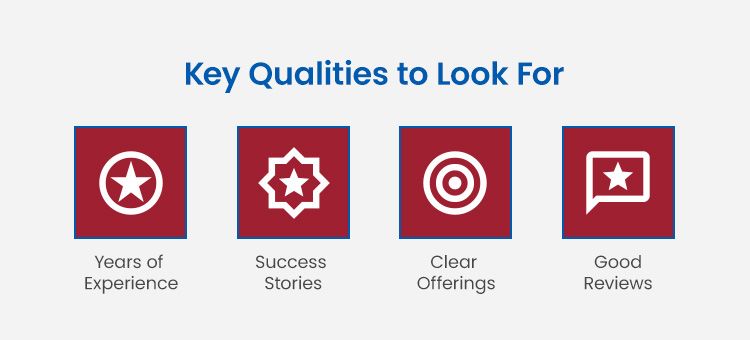
A qualified property manager should demonstrate the following:
- Years of Experience: How long has a management team worked in your area? Choose reputable, trustworthy professionals.
- Success Stories: Can you find examples of past work on their website? Check a company's history and about page.
- Clear Offerings: Does a management team list their skills and capabilities? Evaluate what the company offers.
- Good Reviews: Are the client testimonials positive? See what locals say about their management services.
Interview Questions
Here are some questions you'll want to find the answers to before choosing which management group to partner with:
- What fees do they require?
- What is the scope of their experience with property management?
- Do they experience a high number of evictions?
- How do they market properties?
- How quickly do they typically get new renters in a vacant property?
- What is their process for screening potential tenants?
- What process do they have in place for responding to maintenance requests?
- How do they handle late or missing rent payments?
You don't want just anyone managing your properties. Remember that your reputation as a landlord will be tied, at least in part, to the performance of your property manager. You want an experienced company that reflects your own values, a place that will provide pleasant interactions with your tenants and allow you to take more of a hands-off approach with your property.
Partner With Harrisburg Property Management Group
Harrisburg Property Management Group is proud to manage rental properties throughout Central Pennsylvania and surrounding areas. With experience since 2011, we're a reliable team you can trust for high-quality services. Check out our glowing reviews to see how we've helped locals achieve their goals.
To learn about our services, contact our team today.